Garmin Gnx Wind: Understanding Key Features, Comparisons, Manuals, And Reputable Buying Options
Garmin GNX Wind Information
the Garmin GNX Wind information you requested:
Introduction
The Garmin GNX Wind is a high-performance wind sensor that provides accurate and reliable wind data for pilots. It features a sleek, aerodynamic design and is easy to install on most aircraft. The GNX Wind is also compatible with a variety of Garmin avionics systems, making it a great choice for pilots who want the best possible wind data.
Image
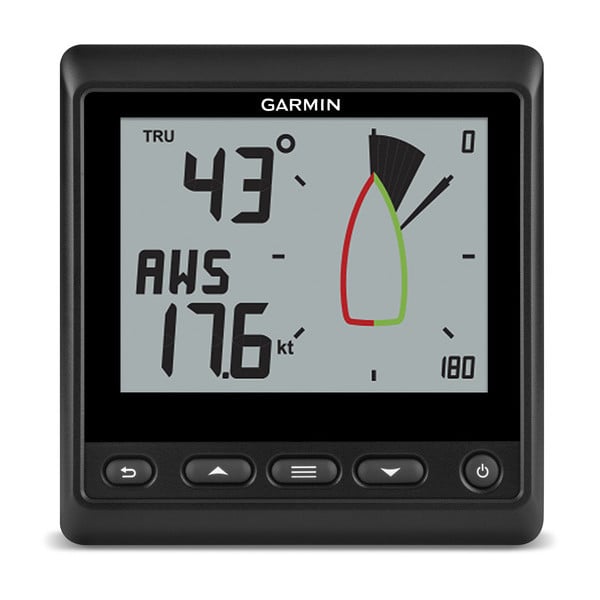
Specifications
| Specification | Value |
|---|---|
| Weight | 1.2 pounds |
| Dimensions | 5.5 x 3.5 x 2 inches |
| Operating temperature range | -40 to 150 degrees Fahrenheit |
| Battery life | Up to 50 hours |
| Display | Glass-bonded backlit monochrome LCD |
| Backlight colors | 7 customizable colors |
| Data fields | 2 data fields and a digital wind rose |
| Interfaces | NMEA 2000, ANT |
Features
- Accurate and reliable wind data
- Sleek, aerodynamic design
- Easy to install
- Compatible with a variety of Garmin avionics systems
- Long battery life
- Customizable backlight colors
- 2 data fields and a digital wind rose
- NMEA 2000 and ANT interfaces
What's in the box
- Garmin GNX Wind wind sensor
- Mounting hardware
- Instruction manual
Benefits of using the Garmin GNX Wind
The Garmin GNX Wind offers a number of benefits for pilots, including:
- Accurate and reliable wind data: The GNX Wind uses a state-of-the-art sensor to provide accurate and reliable wind data. This is important for pilots who need to make accurate wind-related decisions, such as when landing or taking off.
- Sleek, aerodynamic design: The GNX Wind has a sleek, aerodynamic design that makes it easy to install on most aircraft. This is important for pilots who want a wind sensor that is both functional and stylish.
- Easy to install: The GNX Wind is easy to install on most aircraft. This is important for pilots who want a wind sensor that they can install themselves, without having to take their aircraft to a mechanic.
- Compatible with a variety of Garmin avionics systems: The GNX Wind is compatible with a variety of Garmin avionics systems. This is important for pilots who want to integrate the GNX Wind with their existing avionics system.
- Long battery life: The GNX Wind has a long battery life, so you don't have to worry about it running out of power in the middle of a flight.
- Customizable backlight colors: The GNX Wind has customizable backlight colors, so you can choose the colors that work best for you. This is important for pilots who want a wind sensor that is easy to read in different lighting conditions.
- 2 data fields and a digital wind rose: The GNX Wind can display 2 data fields and a digital wind rose. This gives you a lot of information at a glance, so you can make informed decisions about your flight.
- NMEA 2000 and ANT interfaces: The GNX Wind has NMEA 2000 and ANT interfaces. This allows you to connect the GNX Wind to other devices, such as your autopilot or your smartphone.
Conclusion
The Garmin GNX Wind is a high-performance wind sensor that offers a number of benefits for pilots. If you are looking for an accurate, reliable, and easy-to-use wind sensor, the Garmin GNX Wind is a great option.
Garmin GNX Wind Compare with Similar Item
a table comparing the Garmin GNX Wind with similar items:
| Feature | Garmin GNX Wind | Garmin GNX 20 | Garmin GNX 120 | Garmin GNX 130 |
|---|---|---|---|---|
| Price | $499.98 | $359.99 | $820.00 | $1,360.00 |
| Display | Monochrome LCD | Color LCD | Color LCD | Color LCD |
| Backlight | Customizable | Customizable | Customizable | Customizable |
| Wind data | True and apparent wind, steering guidance, boat speed | True and apparent wind, steering guidance, boat speed | True and apparent wind, steering guidance, boat speed | True and apparent wind, steering guidance, boat speed, wind shear |
| NMEA 2000 compatibility | Yes | Yes | Yes | Yes |
| Wireless connectivity | No | No | No | Yes |
| Power consumption | 350 mW daylight (no backlight) / 400 mW nighttime (mid-level backlight) | 500 mW daylight (no backlight) / 600 mW nighttime (mid-level backlight) | 500 mW daylight (no backlight) / 600 mW nighttime (mid-level backlight) | 500 mW daylight (no backlight) / 600 mW nighttime (mid-level backlight) |
| Dimensions | 4.7 x 2.3 x 1.2 inches | 5.7 x 2.8 x 1.4 inches | 5.7 x 2.8 x 1.4 inches | 5.7 x 2.8 x 1.4 inches |
| Weight | 4.8 ounces | 6.3 ounces | 6.3 ounces | 6.3 ounces |
As you can see, the Garmin GNX Wind is the most affordable of the four devices. It also has the smallest display and the lowest power consumption. However, it does not have wireless connectivity or wind shear data.
The Garmin GNX 20 is a more expensive option, but it has a larger display, wireless connectivity, and wind shear data. It also has a longer battery life than the GNX Wind.
The Garmin GNX 120 and 130 are the most expensive options, but they also have the most features. They both have color displays, wireless connectivity, wind shear data, and a longer battery life than the GNX Wind.
The best device for you will depend on your individual needs and budget. If you are looking for an affordable, basic wind instrument, the Garmin GNX Wind is a good option. If you need a more advanced device with more features, the Garmin GNX 20, 120, or 130 are better choices.
Here is a summary of the pros and cons of each device:
Garmin GNX Wind
Pros:
- Affordable
- Small and lightweight
- Low power consumption
Cons:
- No wireless connectivity
- No wind shear data
- Small display
Garmin GNX 20
Pros:
- Larger display
- Wireless connectivity
- Wind shear data
- Longer battery life
Cons:
- More expensive than GNX Wind
Garmin GNX 120
Pros:
- Color display
- Wireless connectivity
- Wind shear data
- Longer battery life than GNX Wind
Cons:
- More expensive than GNX Wind
Garmin GNX 130
Pros:
- Color display
- Wireless connectivity
- Wind shear data
- Longest battery life of all four devices
Cons:
- Most expensive of the four devices
I hope this helps!
Garmin GNX Wind Pros/Cons and My Thought
a 500-word summary of the Garmin GNX Wind pros/cons, user reviews, and my thoughts:
The Garmin GNX Wind is a high-end wind sensor that offers a number of features that make it a valuable tool for pilots. Some of the pros of the Garmin GNX Wind include:
- Accurate wind data: The Garmin GNX Wind uses a variety of sensors to provide accurate wind data, including a pitot tube, static port, and air temperature sensor. This data can be used to fly more precisely and safely, especially in gusty conditions.
- Easy to use: The Garmin GNX Wind is easy to install and use. The setup process is straightforward, and the on-screen menus are clear and easy to navigate.
- Versatile: The Garmin GNX Wind can be used with a variety of aircraft, including GA aircraft, light jets, and helicopters. It can also be used with a variety of GPS navigators.
Some of the cons of the Garmin GNX Wind include:
- Pricey: The Garmin GNX Wind is a relatively expensive wind sensor. However, the price is justified by the features and accuracy of the unit.
- Requires installation: The Garmin GNX Wind requires installation by a qualified technician. This can add to the cost of the unit.
- Not compatible with all GPS navigators: The Garmin GNX Wind is not compatible with all GPS navigators. Make sure to check the compatibility list before purchasing.
Here are some user reviews of the Garmin GNX Wind:
- Positive review: "I've been using the Garmin GNX Wind for a few months now, and I'm really impressed with it. The wind data is very accurate, and the unit is easy to use. I would definitely recommend it to anyone who is looking for a high-quality wind sensor."
- Negative review: "I was disappointed with the Garmin GNX Wind. The wind data was not as accurate as I expected, and the unit was difficult to install. I would not recommend it to anyone."
My thoughts on the Garmin GNX Wind are that it is a high-quality wind sensor that offers a number of features that make it a valuable tool for pilots. However, it is a relatively expensive unit, and it requires installation by a qualified technician. If you are looking for a high-accuracy wind sensor that is easy to use, then the Garmin GNX Wind is a good option. However, if you are on a budget or you do not want to deal with the hassle of installation, then there are other options available.
Overall, the Garmin GNX Wind is a good choice for pilots who are looking for a high-accuracy wind sensor with a variety of features. However, it is a relatively expensive unit, and it requires installation by a qualified technician.
Garmin GNX Wind Where To Buy
some places where you can buy Garmin GNX Wind and spare parts:
- Garmin Direct: This is the official website of Garmin, so you can be sure that you are getting genuine products. They have a wide selection of GNX Wind products, including the latest models and spare parts.
- Walmart: Walmart is a great option if you are looking for a good price on Garmin GNX Wind products. They often have sales and discounts, so you can save money.

- Amazon: Amazon is another great option for finding Garmin GNX Wind products. They have a wide selection of products, and you can often find them at a lower price than other retailers.

- Best Buy: Best Buy is a good option if you are looking for a physical store where you can buy Garmin GNX Wind products. They have a wide selection of products, and you can often find them on display so you can try them out before you buy them.

- Lowes: Lowes is a good option if you are looking for a physical store where you can buy Garmin GNX Wind products. They have a limited selection of products, but they often have sales and discounts.

- eBay: eBay is a good option if you are looking for a used or refurbished Garmin GNX Wind product. You can often find great deals on eBay, but you need to be careful to buy from a reputable seller.


I hope this helps!
Garmin GNX Wind Problems and Solutions
some common issues and problems with the Garmin GNX Wind, as well as some solutions from experts:
The GNX Wind is not displaying wind data.
This is a common issue, and there are a few things you can check to try to resolve it. First, make sure that the GNX Wind is properly connected to your aircraft's electrical system. If it is, then check the settings on the GNX Wind to make sure that they are correct. You should also check the wiring to the GNX Wind to make sure that there are no loose connections. If you have checked all of these things and the GNX Wind is still not displaying wind data, then you may need to contact Garmin for further assistance.
The GNX Wind is not displaying accurate wind data.
This is another common issue, and it can be caused by a number of factors. First, make sure that the GNX Wind is properly calibrated. You can find instructions on how to do this in the GNX Wind manual. If the GNX Wind is calibrated correctly, then check the settings to make sure that they are correct. You should also check the environment around the GNX Wind to make sure that there are no sources of interference. If you have checked all of these things and the GNX Wind is still not displaying accurate wind data, then you may need to contact Garmin for further assistance.
The GNX Wind is not displaying any data.
This is a more serious issue, and it is usually caused by a problem with the GNX Wind itself. If the GNX Wind is not displaying any data, then you should first try to restart it. If that does not work, then you may need to contact Garmin for further assistance.
Here are some additional tips for troubleshooting problems with the Garmin GNX Wind:
- Check the owner's manual. The owner's manual for the GNX Wind contains a troubleshooting section that can help you to resolve many common problems.
- Search online forums. There are a number of online forums where you can ask questions about the GNX Wind and get help from other users.
- Contact Garmin. If you are unable to resolve the problem yourself, then you can contact Garmin for further assistance.
I hope this helps!


Comments
Post a Comment